
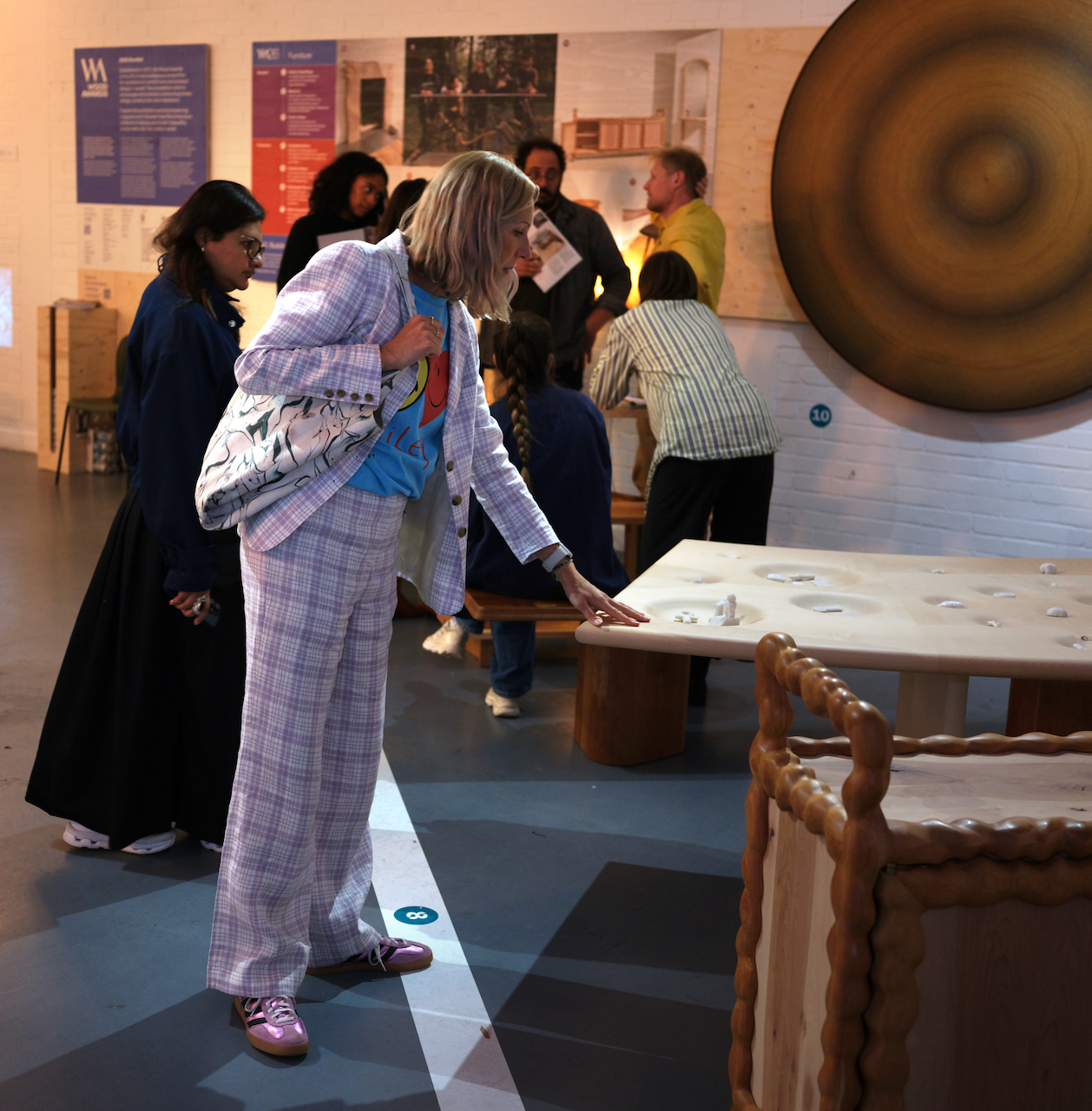
Each year, the Wood Awards holds a public exhibition bringing together the shortlisted furniture and object projects, alongside displays of the shortlisted buildings. It serves an important double purpose: giving the furniture and object judging panel the opportunity to see and assess the work in person, while also sharing the projects with an audience of design enthusiasts and the wider public.
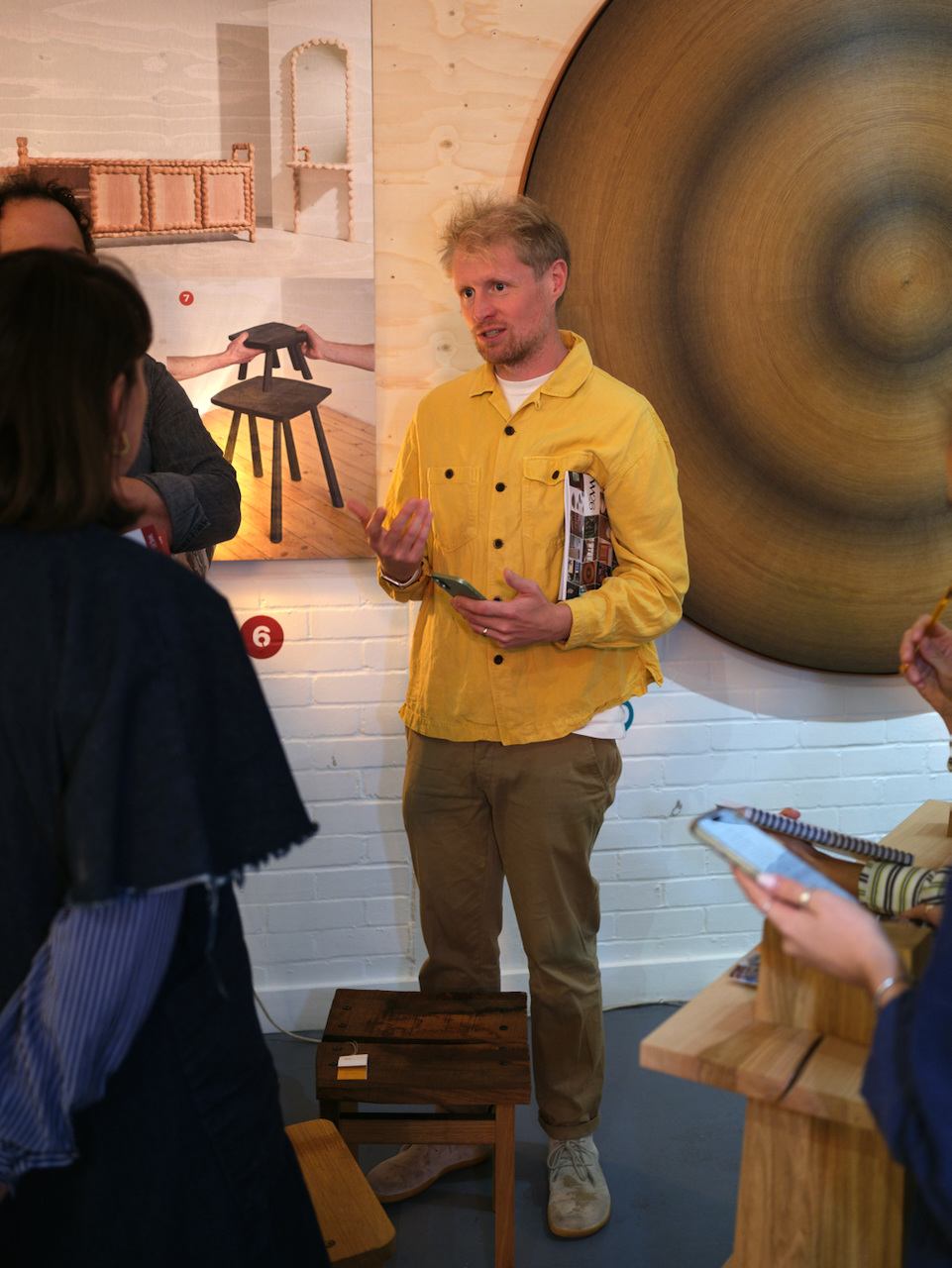
The furniture & object judging panel assessing shortlisted projects © Philip Vile
The first is central to the integrity of the Wood Awards’ judging process. There is a huge difference between encountering a project in photographs and words, and experiencing it tangibly, in front of you. This is something our judges express every year. Seeing the work in person allows them to examine the details of making and appreciate construction, function, scale, finish, comfort and weight. It also allows them to respond to a piece’s presence and materiality, and to incorporate that embodied experience into their assessment; this is particularly important for the expressive work in the Sculpted Object category, but can be just as significant for the Bespoke, Student and Production categories.
The exhibition also allows cross-narratives to emerge. The individual explorations of each project come together to reveal intersections and fault lines, building a picture of new directions for wood in design and making. As part of Material Matters design fair – with whom the Wood Awards has partnered for the past five years – the shortlist is placed in a wider conversation about the ever-evolving potential of wood as a material of the future.
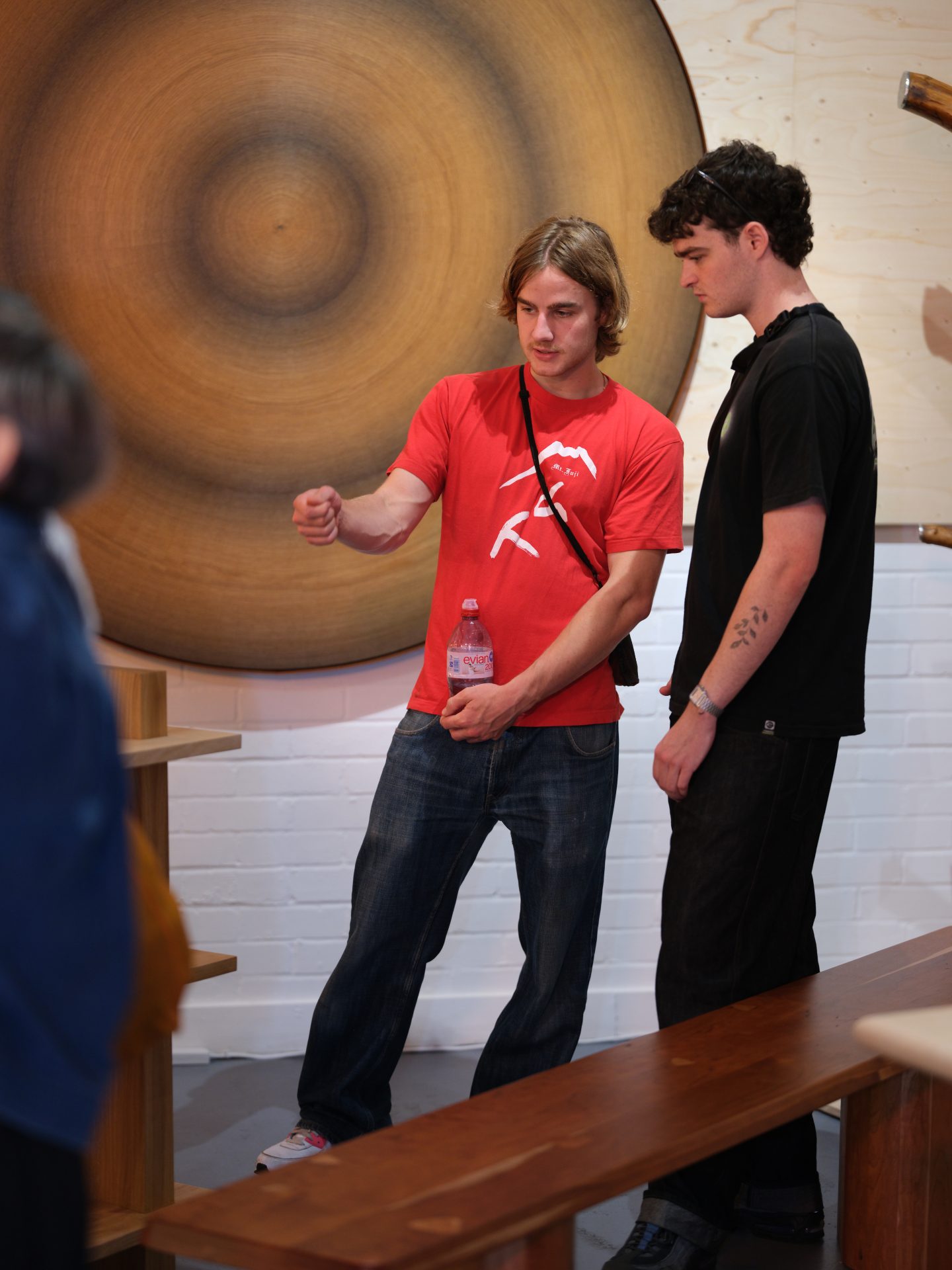
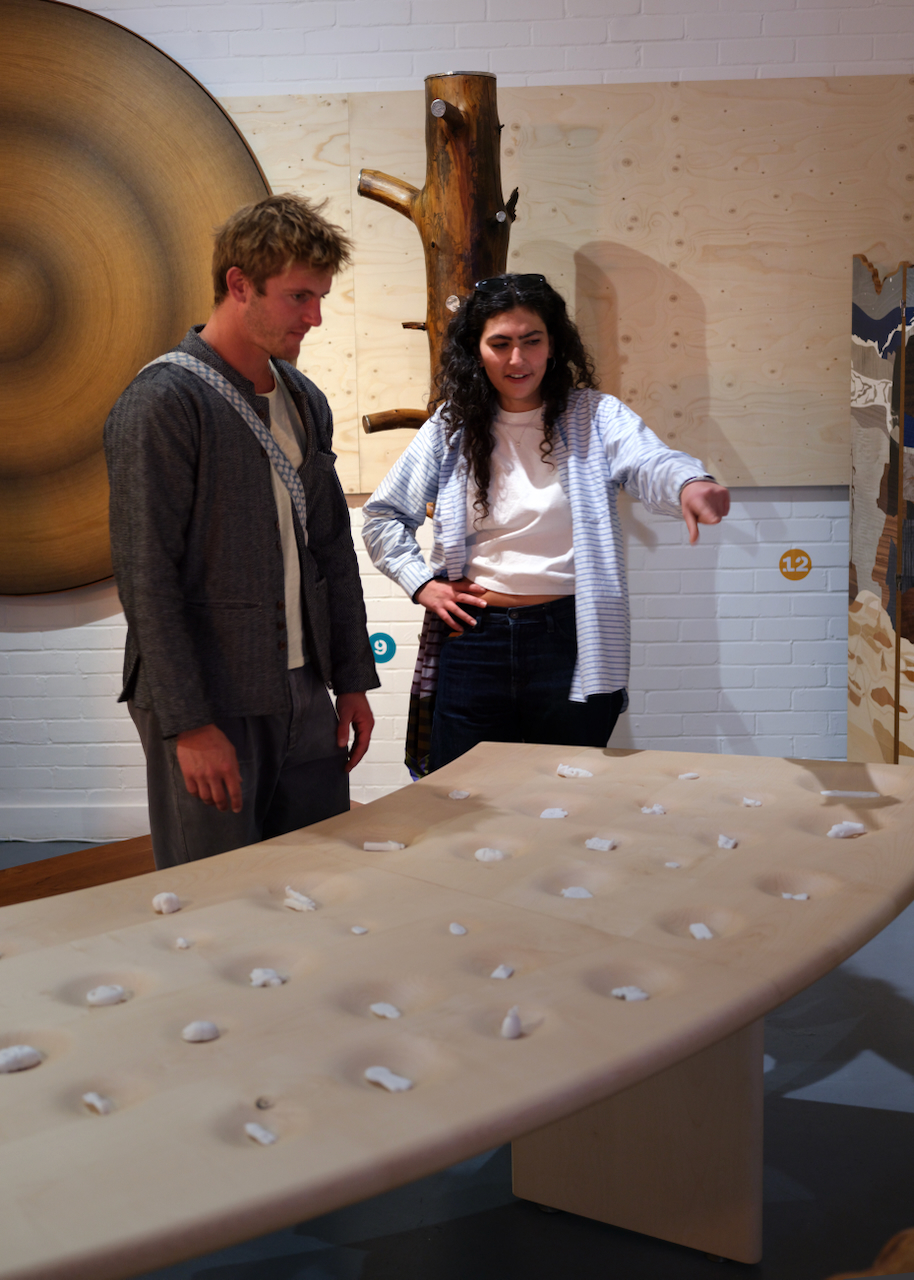
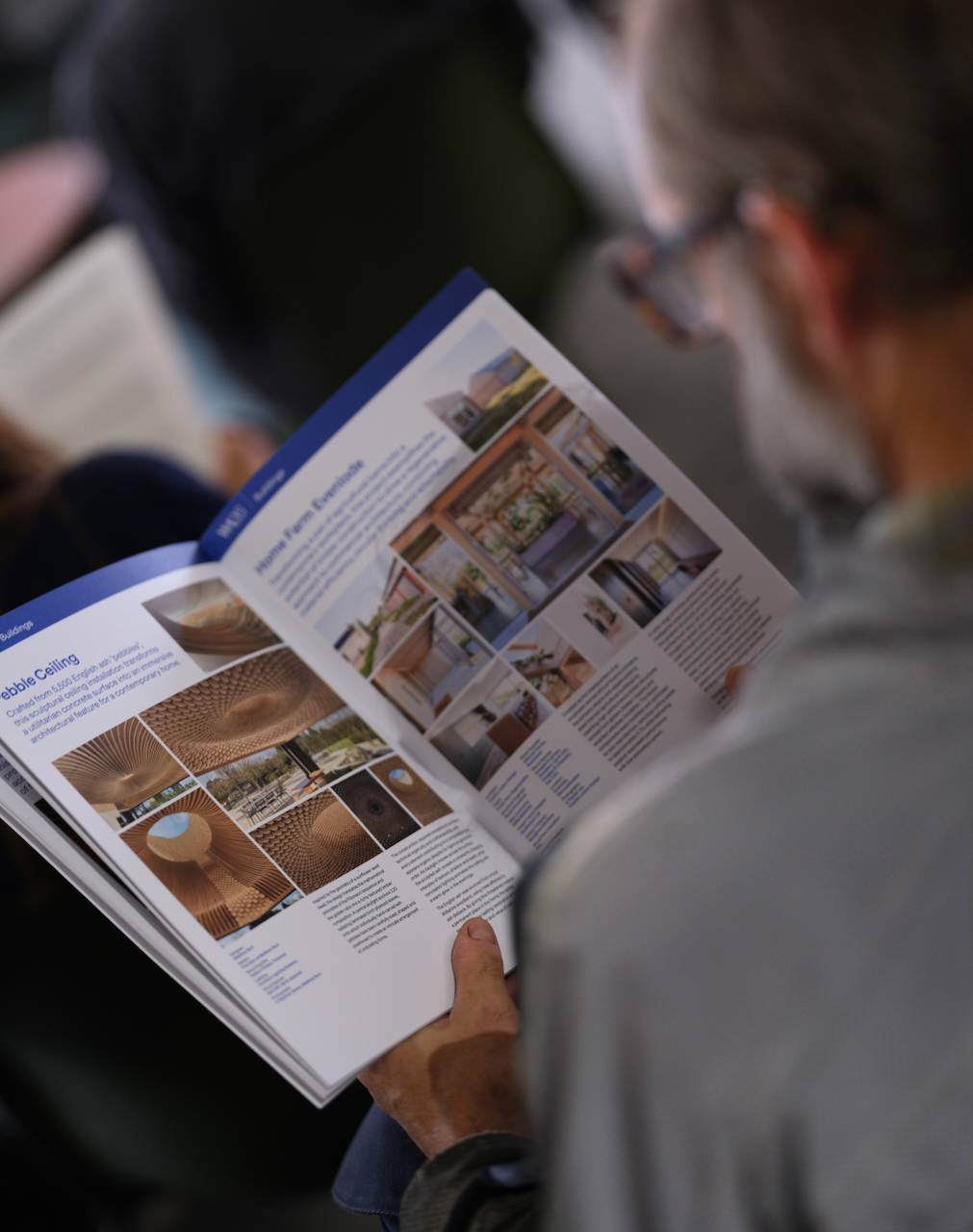
This year, Material Matters took place at UNLOCKED Shoreditch, in the midst of the Shoreditch Design Week during London Design Festival from 15-17 September. For three days, the exhibition was open to the public from morning to evening, alongside press and VIP events. Visitors streamed through, asking questions, spending time with the work, reading about the projects in the accompanying magazine and taking photographs. It provided a genuinely valuable opportunity to share the shortlist with a deeply engaged audience, attuned to material innovation, creativity and the possibilities of making.
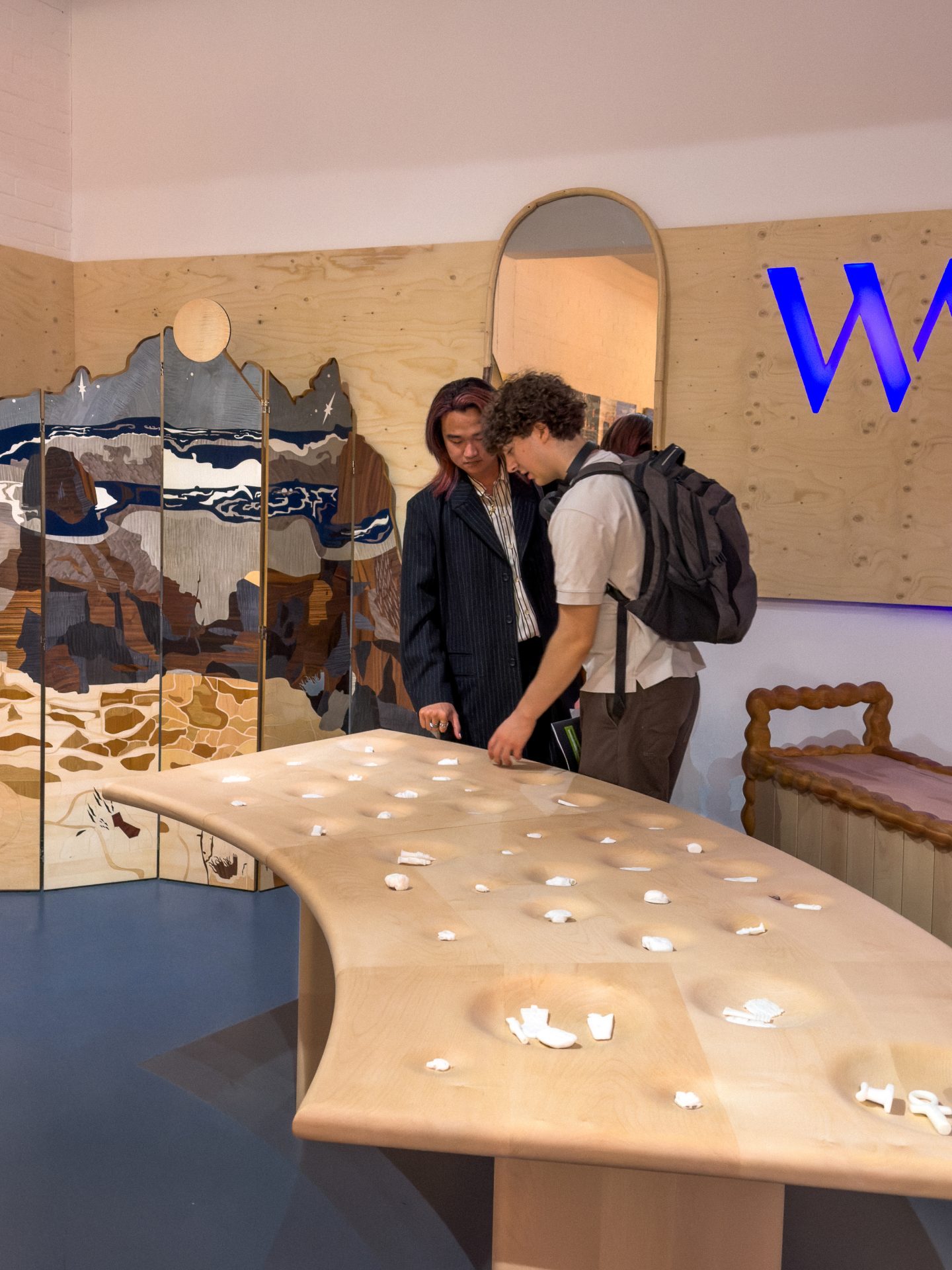
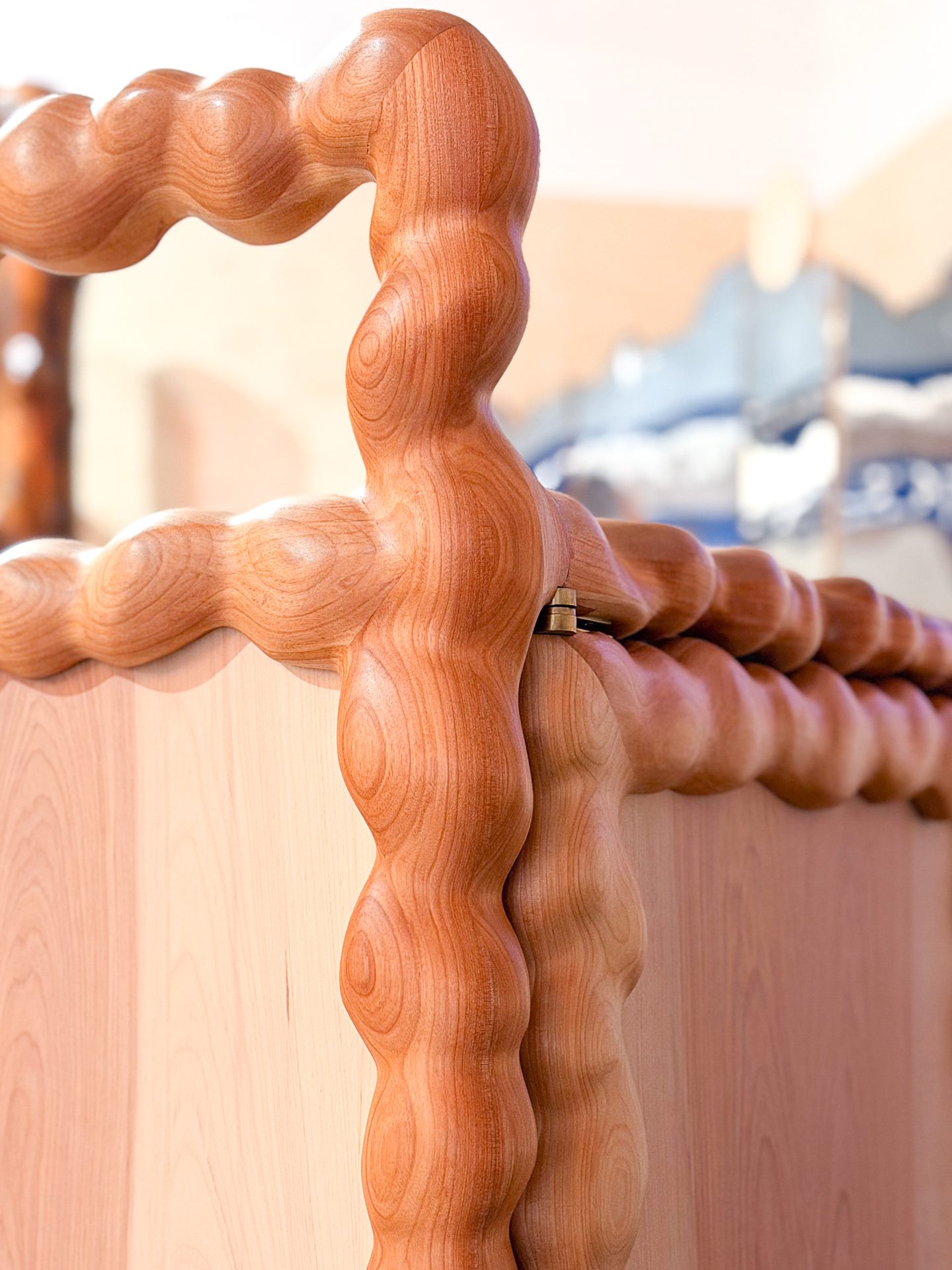
Wood Awards exhibition 2026 – Ocean Screen (left), Afterlife (centre), Wattle Mirror (top centre), Kontur cabinet (right) © Jonathan Gutierrez
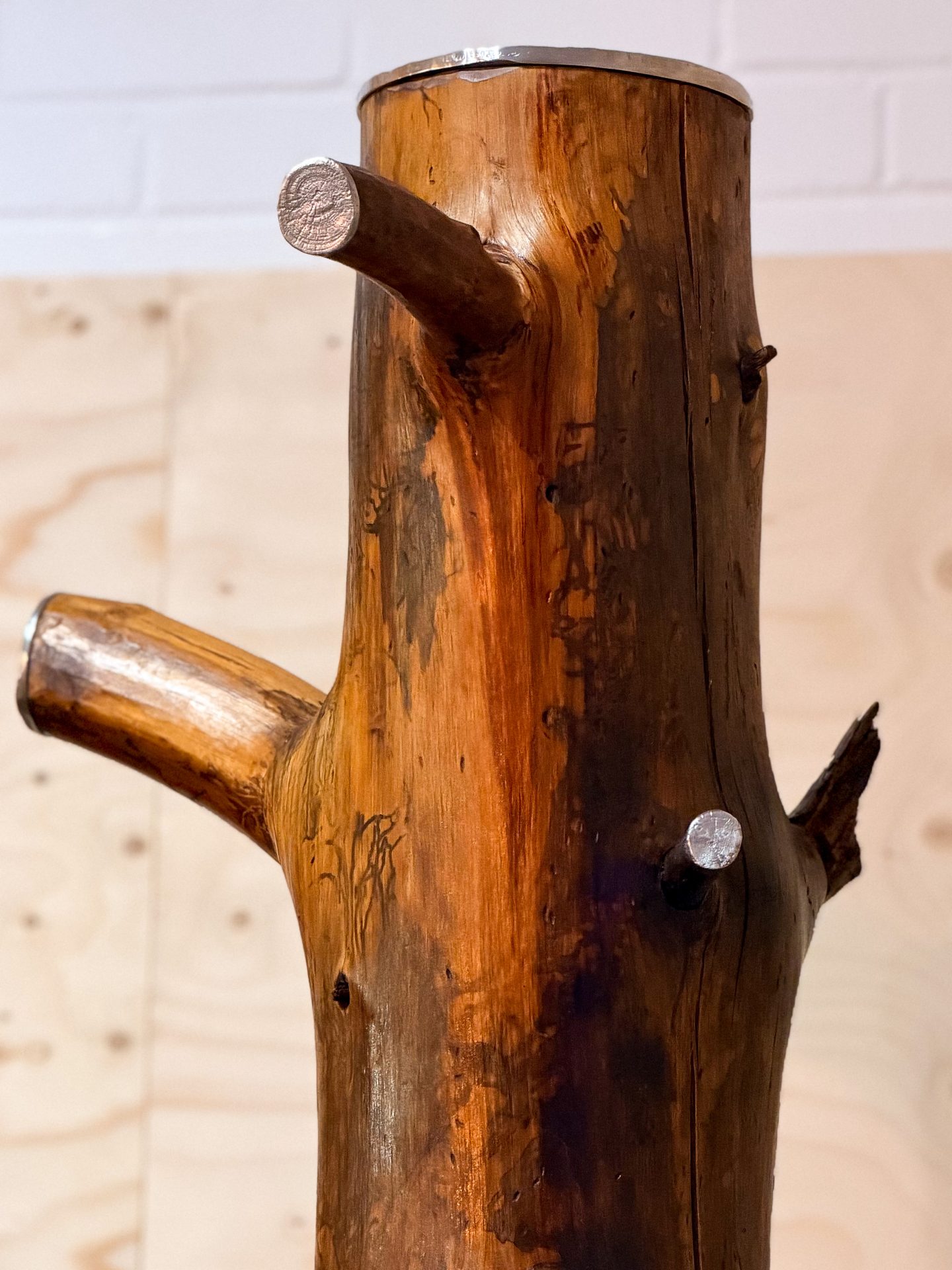
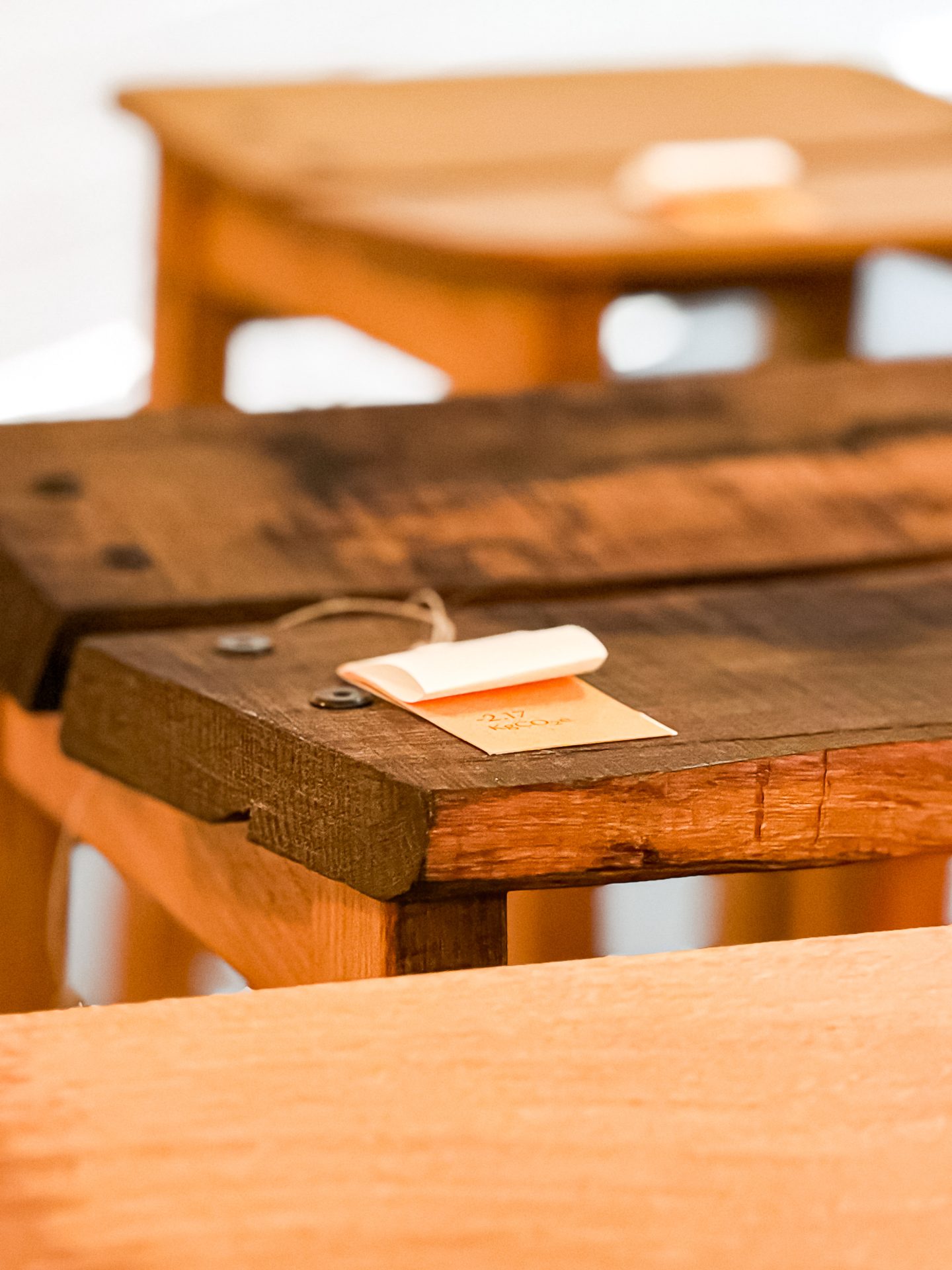
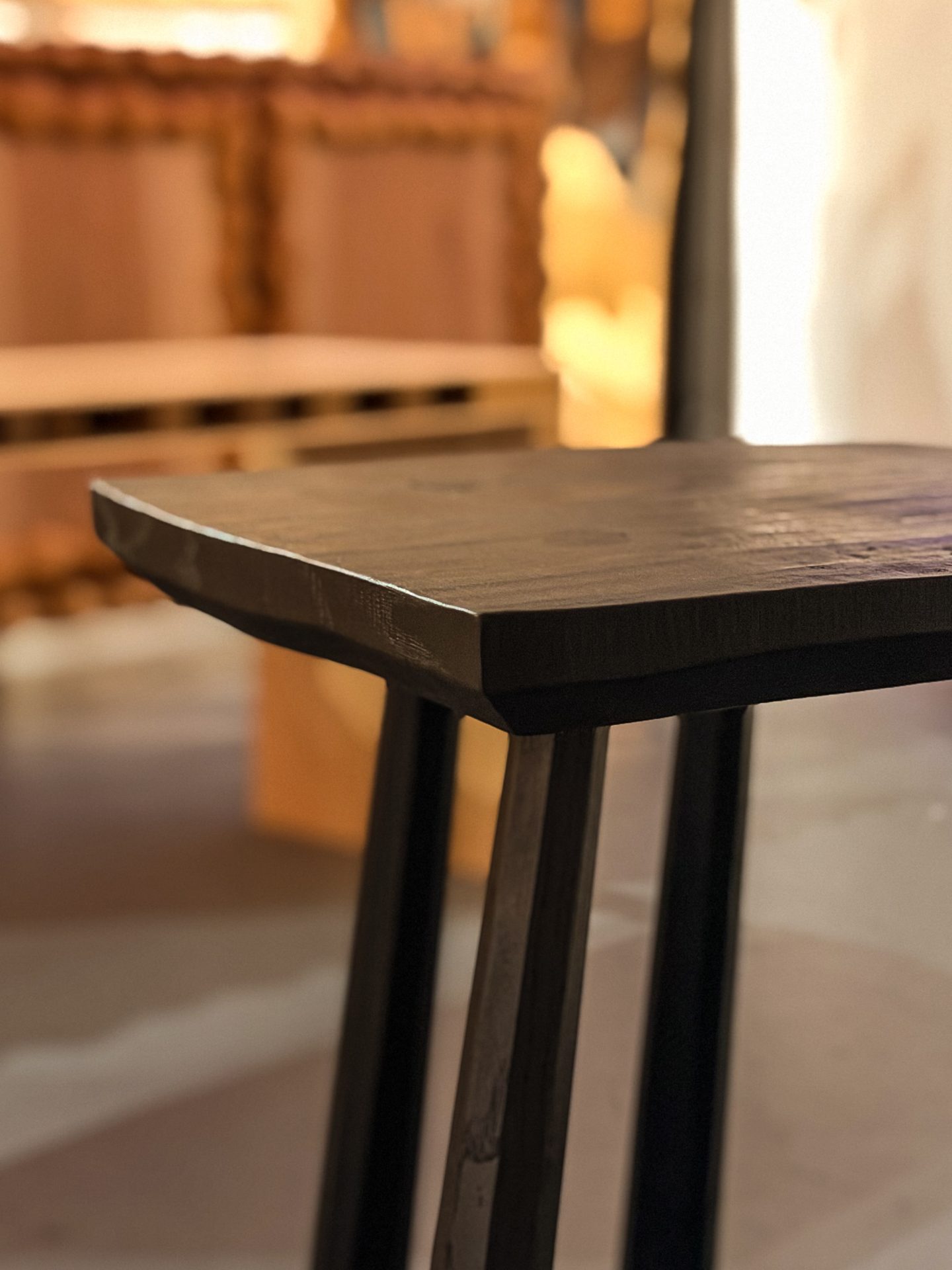
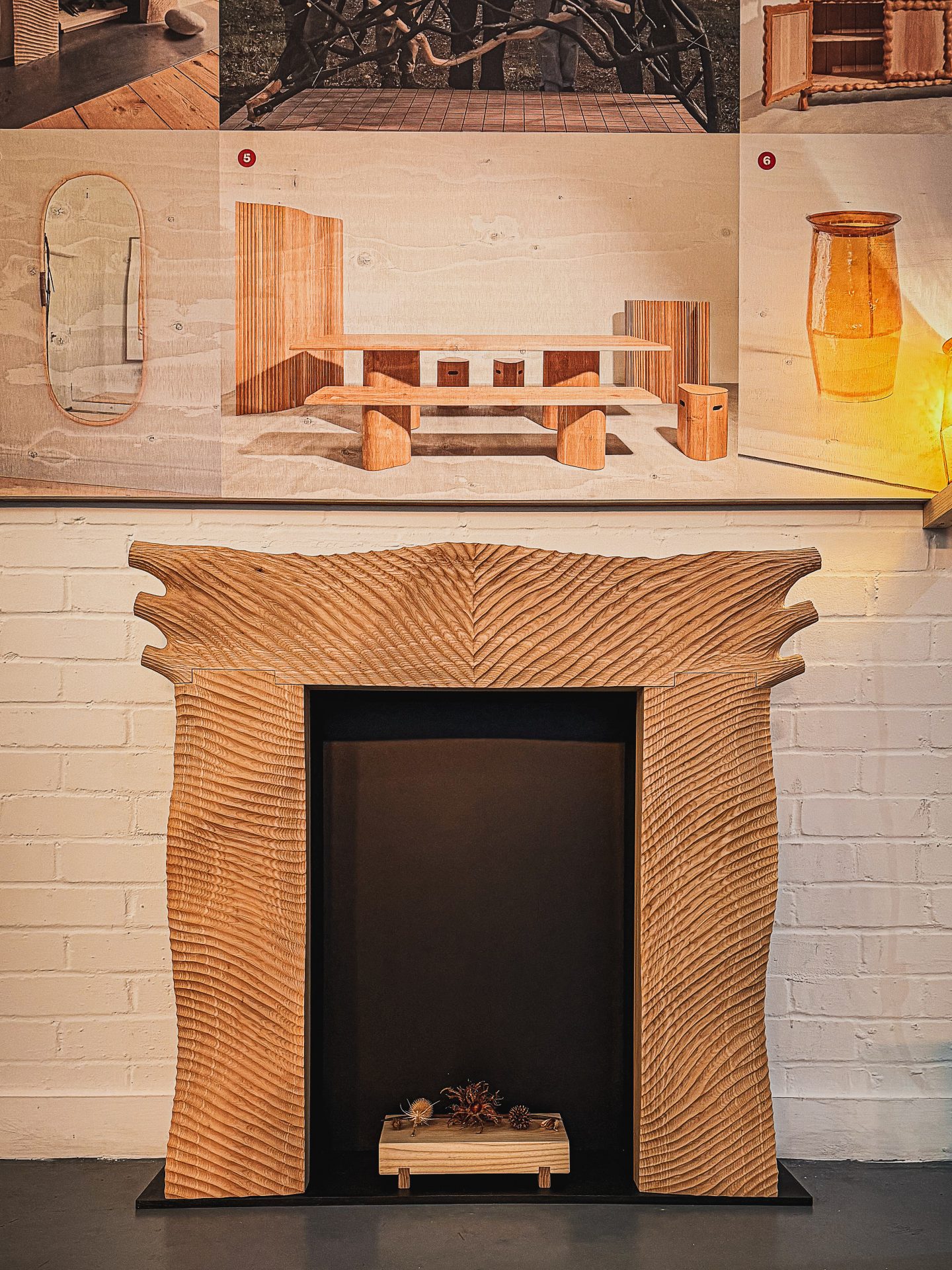
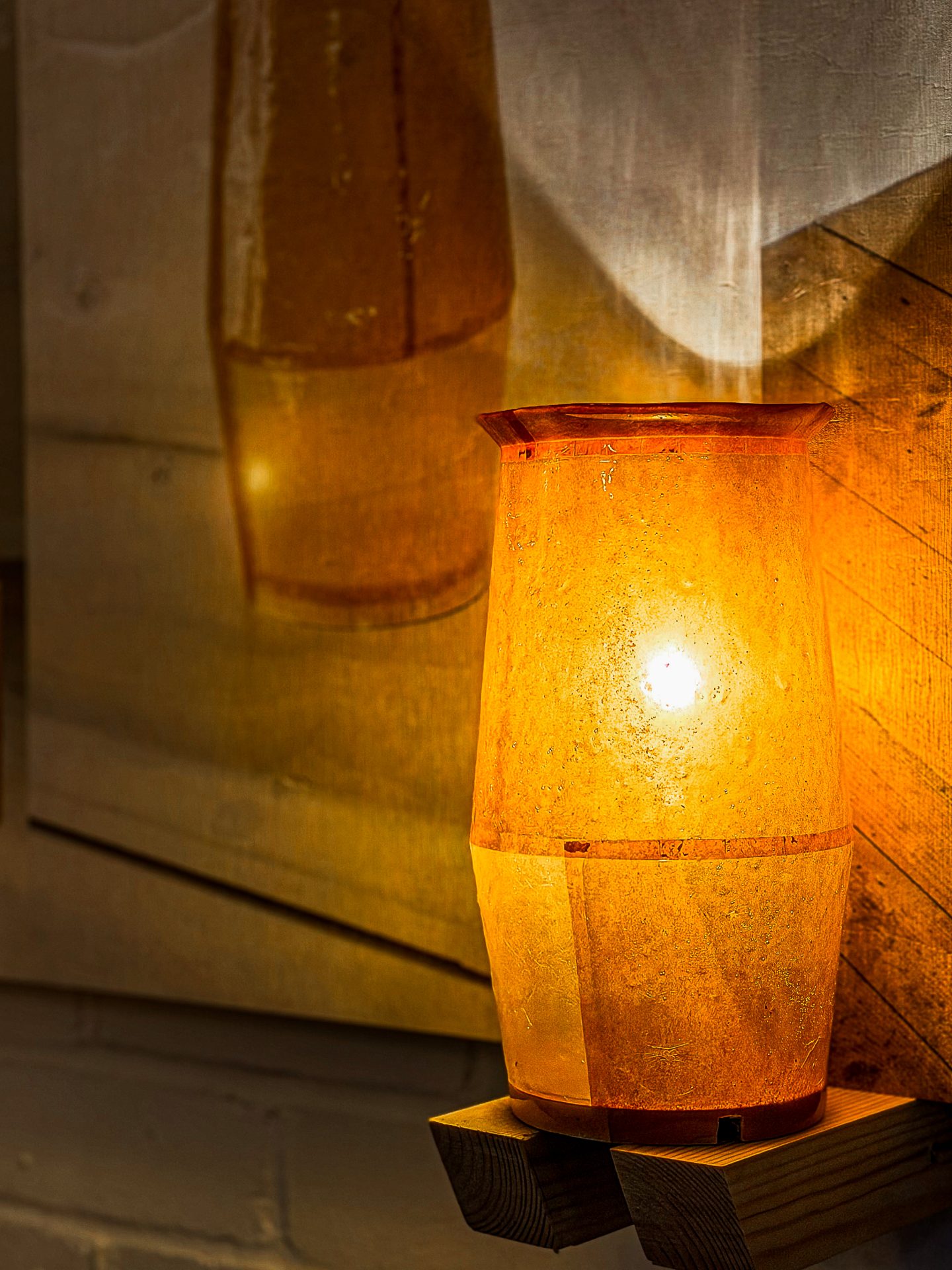
The 2026 exhibition featured a tabletop lantern, a wall-mounted mirror, two collections of stools (Black House Stools and Our Grandchildren’s World), a fireplace mantelpiece, a freestanding shelf, a sculpture formed from a tree trunk, two benches (Common Room and Dagwood Bench), a section of a vast circular display table, a sculptural wall relief, a cabinet and a folding screen. Each uses wood in different ways, working with different species and wood products for different purposes. Across the collection, a range of distinct timber qualities – such as suppleness, rigidity, strength, delicacy, transparency, colour, mystery and clarity – came into focus. But alongside these material differences, some broader narratives emerged: deep material knowledge; doing more with less; understanding the impacts of manufacturing processes; resource-informed design; and using design to tell ecological stories.
One of the Wood Awards’ core aims is to provide a platform to celebrate and uplift the achievements of the myriad designers and makers working with wood across the UK. This year’s shortlist shows them pushing at the boundaries of what is possible, making new discoveries with an ancient material, challenging established assumptions and finding new ways to make and build more sustainably. It also shows the potential for wood to connect forests, skills, jobs, communities and industry to the objects and surfaces that make up our everyday lives. The exhibition gives us a chance to see those connections – and the possibilities they open up – in one place.
Comments are closed.